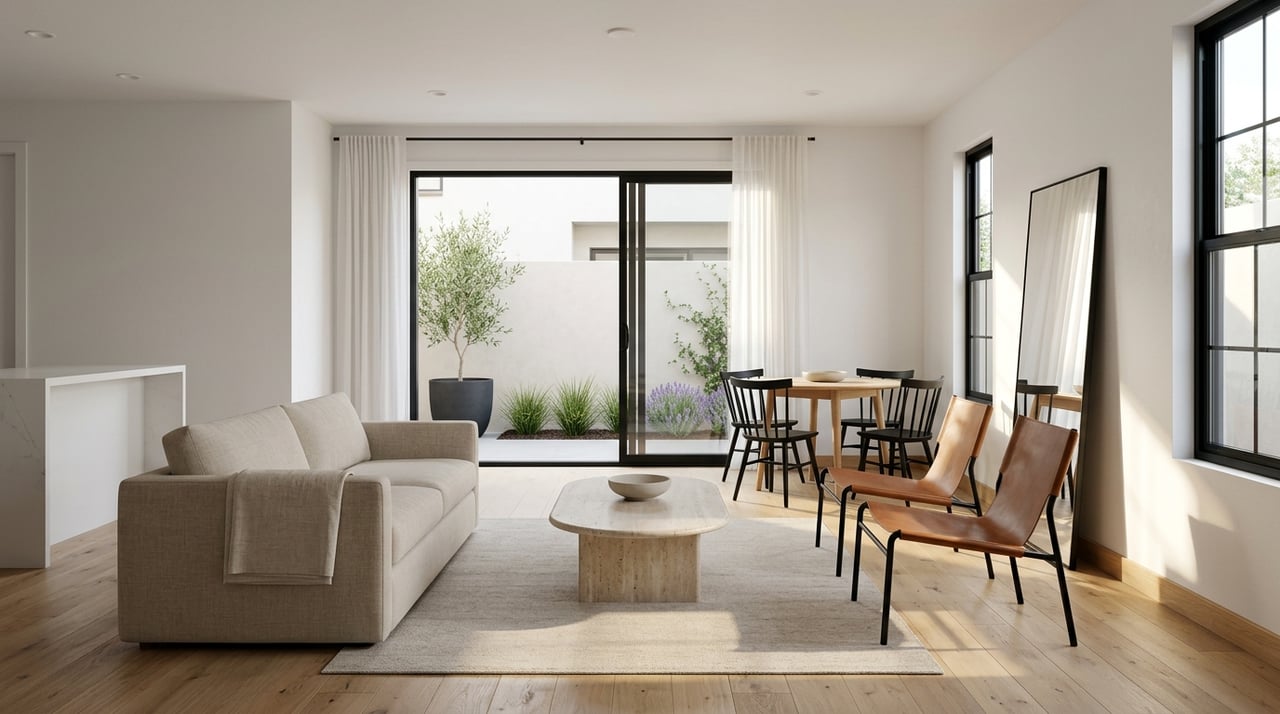
Staging Smaller Campbell Homes To Feel Bigger And Brighter
July 23, 2026
July 23, 2026
Does your Campbell home feel a little tight on space? In a market where condos, townhomes, and compact detached homes are part of the local housing mix, the right staging can make a smaller home feel more open, brighter, and easier for buyers to picture as their next move. The good news is that you do not need a full remodel to make a strong impression. With a few smart changes, you can highlight space, light, and flow where it matters most. Let’s dive in.
Campbell is a compact, high-value market. Census QuickFacts reports a land area of 6.08 square miles, population density of 7,228.9 per square mile, and a median value of owner-occupied homes of $1,617,000. The City of Campbell also identifies multi-family dwellings as apartments, townhomes, or condominium developments, and the city’s 6th Cycle Housing Element notes that allowed densities increased through much of Campbell.
That matters if you are selling a smaller home. In Campbell, compact layouts are not unusual. They are a normal part of the local housing mix, which means staging is less about apologizing for size and more about showing buyers how well the home lives.
Staging is about presentation, not renovation. According to the National Association of Realtors, staging helps buyers see a home’s strengths and imagine themselves living there. That is especially important when square footage is limited and every room needs to feel intentional.
Buyer behavior supports that approach. In NAR’s 2025 Profile of Home Staging, 83% of buyers’ agents said staging made it easier for buyers to visualize the property as a future home. Buyers also expected to view a median of 20 homes virtually and 8 in person, which means your home needs to read well both online and during showings.
If you want a smaller Campbell home to feel bigger, start with the three biggest levers: light, color, and furniture scale. The U.S. Department of Energy notes that light colors on ceilings, walls, floors, and furniture help daylight bounce through a room. In practical terms, that means lighter finishes and softer neutral accessories can help rooms feel more open.
Window treatment choices matter too. DOE guidance notes that unnecessary blinds can reduce daylighting potential, so it often makes sense to keep window coverings minimal unless privacy or glare control is needed. Open the drapes, raise the shades, and let natural light do its job.
Bulky, dark furniture can work against you. It absorbs both visual space and light, which can make a room feel crowded. Smaller-scale pieces with clean lines usually help a compact room feel easier to move through and easier to understand at first glance.
If your budget or timeline is limited, prioritize the rooms that tend to carry the most weight with buyers. NAR found that the living room drew the most buyer interest at 37%, followed by the primary bedroom at 34% and the kitchen at 23%. That gives you a useful roadmap for where to spend your energy first.
The living room is usually the first major interior space buyers evaluate. It was the most important room for buyers in NAR’s findings and one of the most commonly staged rooms. In a smaller Campbell home, that means the living room should feel calm, open, and easy to walk through.
Use fewer pieces, not more. A correctly scaled sofa, one or two accent chairs, and a simple coffee table often work better than trying to fill every corner. Keep traffic paths clear so buyers can instantly understand how the room functions.
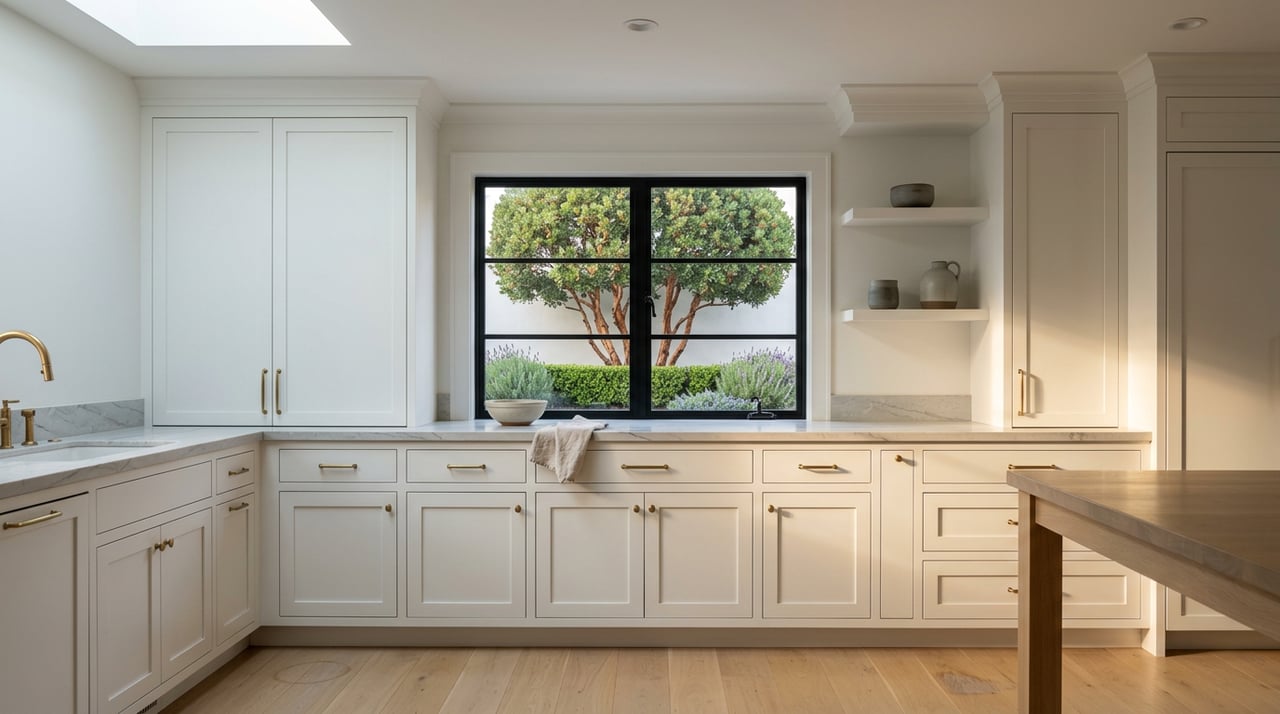
Kitchens were staged in 68% of listings in NAR’s report, and dining rooms in 69%. That is a strong sign that buyers pay attention to these spaces. In a smaller home, cluttered counters and extra seating can make the area feel tighter than it is.
Clear off counters except for one or two simple items. If you have bar stools or dining chairs, use only what the space comfortably supports. Show one obvious dining setup so buyers see function instead of crowding.
Primary bedrooms were staged in 83% of listings, which makes them a key focus area. Fresh bedding, neutral layers, and a tidy layout help the room feel restful and more spacious. This is not the place for extra furniture, heavy patterns, or piles of personal items.
Keep bedside surfaces simple. If the room is small, consider using fewer accessories and making sure there is visible floor space around the bed. Buyers tend to respond well when the room feels calm and uncluttered.
Bathrooms do not need to be large to make a good impression. They do need to feel crisp and organized. NAR recommends hiding toiletries, medicines, and personal products, keeping vanities clear, and using fresh towels.
A small bathroom can still look polished. Clear surfaces, clean mirrors, and bright towels can make the space feel fresher and easier to maintain. That matters even more when buyers are comparing compact homes side by side.
Closets and storage spaces send a strong message about how a smaller home lives day to day. NAR advises that closets should be about half full, not packed to the maximum. When storage is jammed, buyers may assume the home does not have enough room.
Start packing early if you are getting ready to list. Off-season clothes, extra linens, and rarely used items can be boxed up before photos and showings begin. That breathing room helps buyers feel there is more usable storage than the square footage alone might suggest.
In many Campbell condos and townhomes, one room may need to do more than one thing. Even so, staging works best when a flex space has one clear purpose. NAR reported that home office spaces were staged in 36% of listings, which shows that these rooms still matter to buyers.
If you have a spare corner, loft, or niche, stage it as a small office or another single use. A compact desk, a chair, and minimal decor are usually enough. Avoid trying to show the same area as an office, guest room, gym, and storage zone all at once.
A balcony, patio, or small yard can help a compact interior feel larger. NAR reported that outdoor and yard spaces were staged in 31% of listings, so these areas are worth attention, especially when they extend the home’s livable feel.
Keep hard surfaces clean and stage one small seating vignette. A simple pair of chairs or a compact bistro setup can suggest a useful outdoor retreat without making the area feel crowded. The goal is to show possibility, not add more stuff.
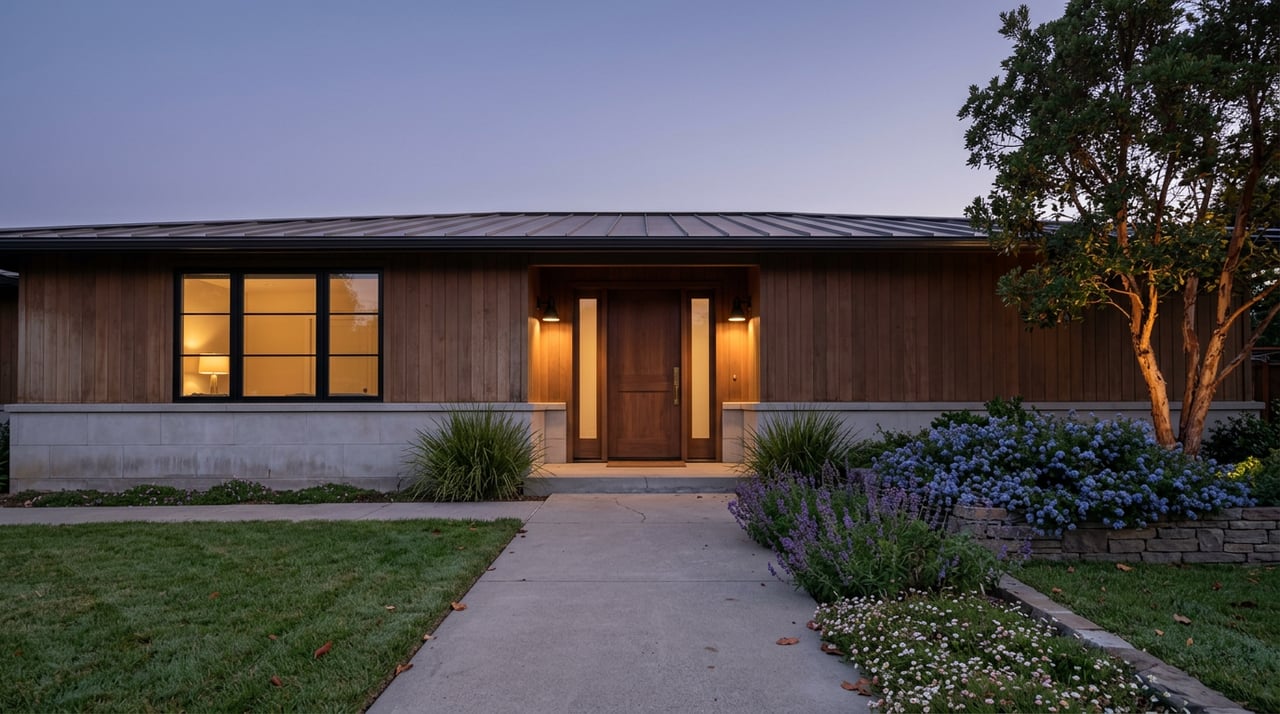
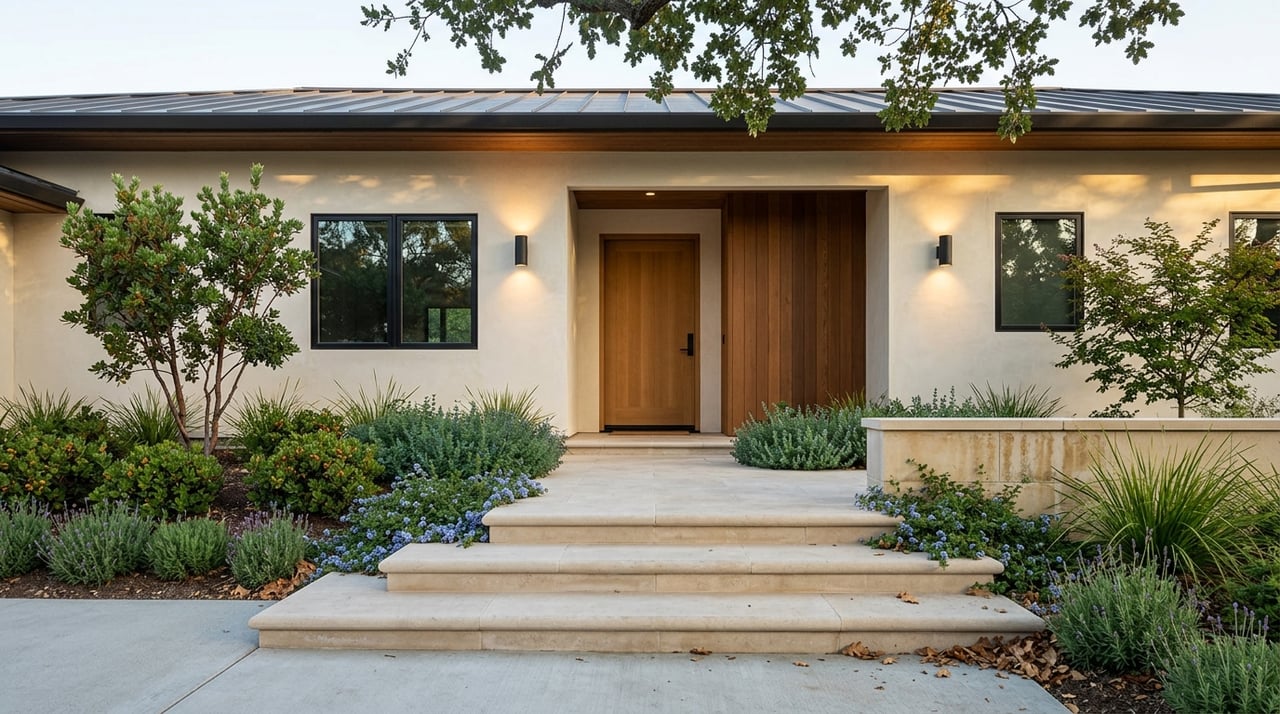
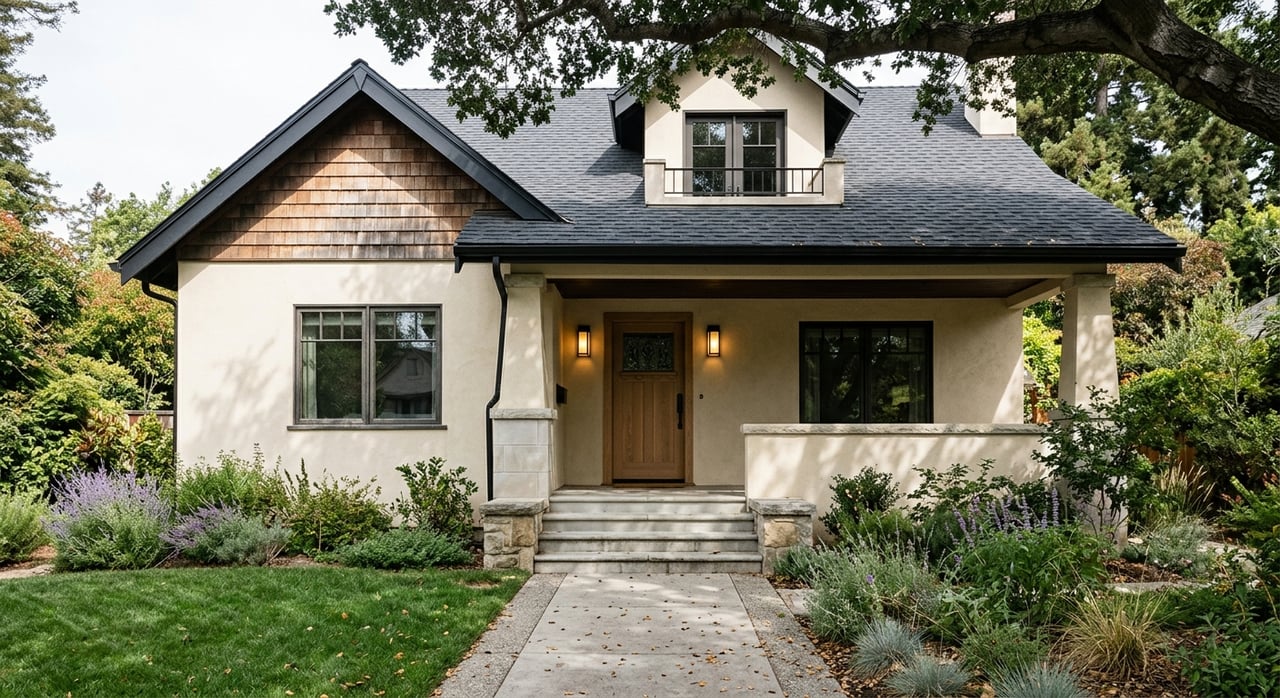
Small homes benefit from a clean, welcoming start. NAR recommends a tidy front-door area, manicured landscape, and small potted plants for stronger curb appeal. Even a compact entry or foyer can feel intentional when the line of sight is open.
Keep this area simple. Use one mat, remove extra shoes or storage bins, and add restrained greenery if it fits. Buyers should walk in and immediately feel that the home is orderly and bright.
Because buyers often begin online, staging is not just for open houses. NAR reported that photos, physical staging, videos, and virtual tours all matter to buyers. If your home looks bright and well-scaled in person but crowded in photos, you can lose momentum before a showing even happens.
That is why timing matters. Build in time for decluttering, pack-out, touch-ups, and media prep before listing photos are taken. Treat staging as part of the launch plan, not a last-minute add-on.
Staging does not have to mean a massive spend. In NAR’s 2025 report, the median amount spent when using a staging service was $1,500. Sellers’ agents who personally staged a home reported a median spend of $500.
Those numbers give you a useful planning range. If you are deciding whether to bring in a professional or keep it lighter, think about your home’s condition, how much editing it needs, and how quickly you want to be market-ready. NAR also found that sellers often compared two bids, with design quality and price as top decision factors.
Virtual staging can help a vacant room look more inviting online, but it needs to be handled carefully. NAR advises that photo enhancements that materially alter the property should be disclosed so buyers get a true picture of the home.
That is especially relevant in Campbell, where online presentation plays a big role in buyer decisions. If you use virtual staging, the goal should be clarity and honesty, not creating a misleading impression.
If you want a smaller Campbell home to feel bigger and brighter, focus on these basics first:
In Campbell, smaller homes can present beautifully when they feel efficient, bright, and easy to live in. Thoughtful staging helps buyers focus on what the home offers instead of what it lacks.
If you are getting ready to sell and want practical guidance on what is worth doing before you list, Amy Le can help you create a smart staging plan that fits your home, timeline, and goals.
Get assistance in determining current property value, crafting a competitive offer, writing and negotiating a contract, and much more. Contact me today.