Comparing Mountain View Neighborhoods: How To Narrow Your Search
July 2, 2026
July 2, 2026
If you start your Mountain View home search by chasing informal neighborhood names, it can get confusing fast. This city is compact, competitive, and surprisingly varied from one area to the next. The good news is that you can narrow your search with a more practical framework that matches how Mountain View is actually planned and built. Let’s dive in.
A smart first step is to think in terms of Mountain View’s planning areas, not just casual neighborhood labels. The city is a little over 12 square miles with an estimated 87,316 residents in 2024, so small shifts in location can change the feel of your search quickly.
Mountain View’s eight planning areas are:
This approach matters because public planning tools can tell you not only what an area feels like today, but also what may change over time. The most useful ones are the General Plan Map, zoning map, and any precise plan that applies to a corridor or district.
When you compare Mountain View neighborhoods, it helps to separate current lifestyle from future change. Some areas are fairly stable and mostly residential, while others are clearly in transition.
The city uses precise plans in places that need more detailed standards because of land use, parcel patterns, ownership, or existing development. For buyers, that means some locations may offer more certainty, while others may bring visible redevelopment, new housing, or streetscape changes over time.
As a rule of thumb, the biggest change-oriented districts are:
If you prefer a steadier detached-home search, the strongest comparison set is usually:
One of the fastest ways to cut through the noise is to decide what kind of home you want first. In Mountain View, different planning areas tend to line up with different housing patterns.
If you want more condo, townhome, or mixed-use inventory, start with Downtown, San Antonio/Rengstorff, and parts of the evolving North Bayshore and Moffett corridor. These areas have more multi-family housing, more mixed-use development, or more recent planning activity tied to housing growth.
Downtown is especially strong if you want an urban feel in Mountain View. City planning documents describe it as a lively, walkable, transit-oriented mixed-use district, with condos and townhomes often making more sense than a detached-home-first strategy.
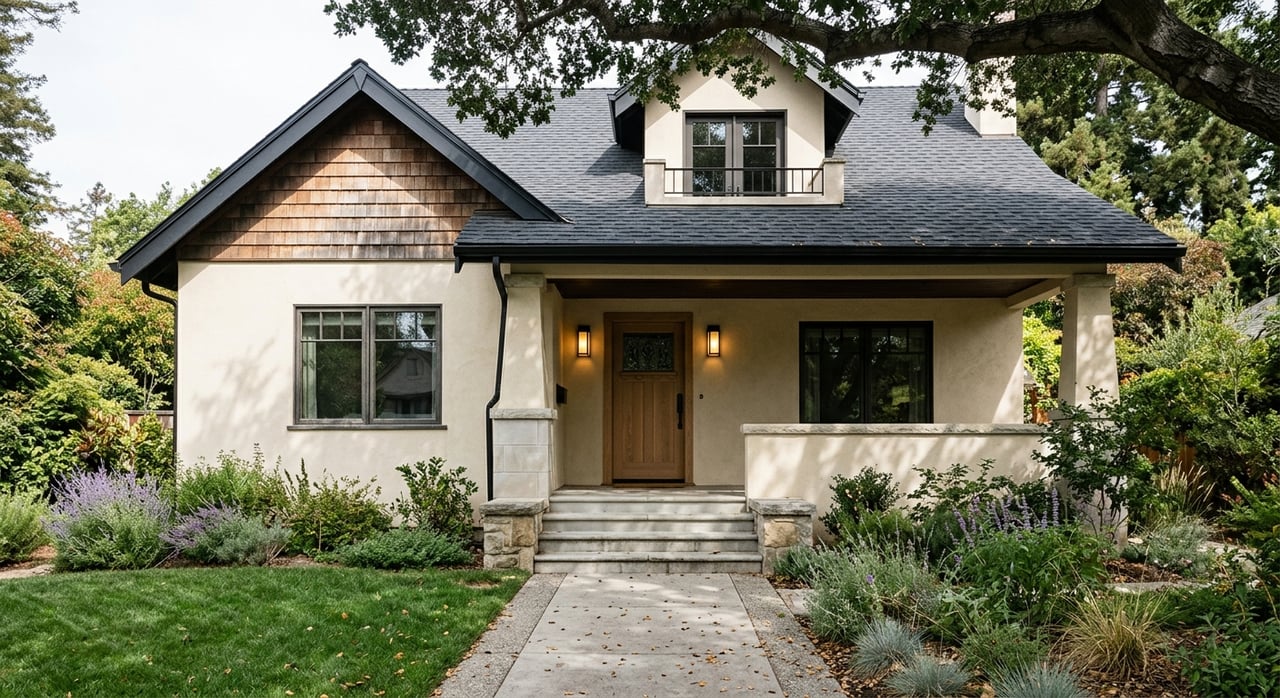
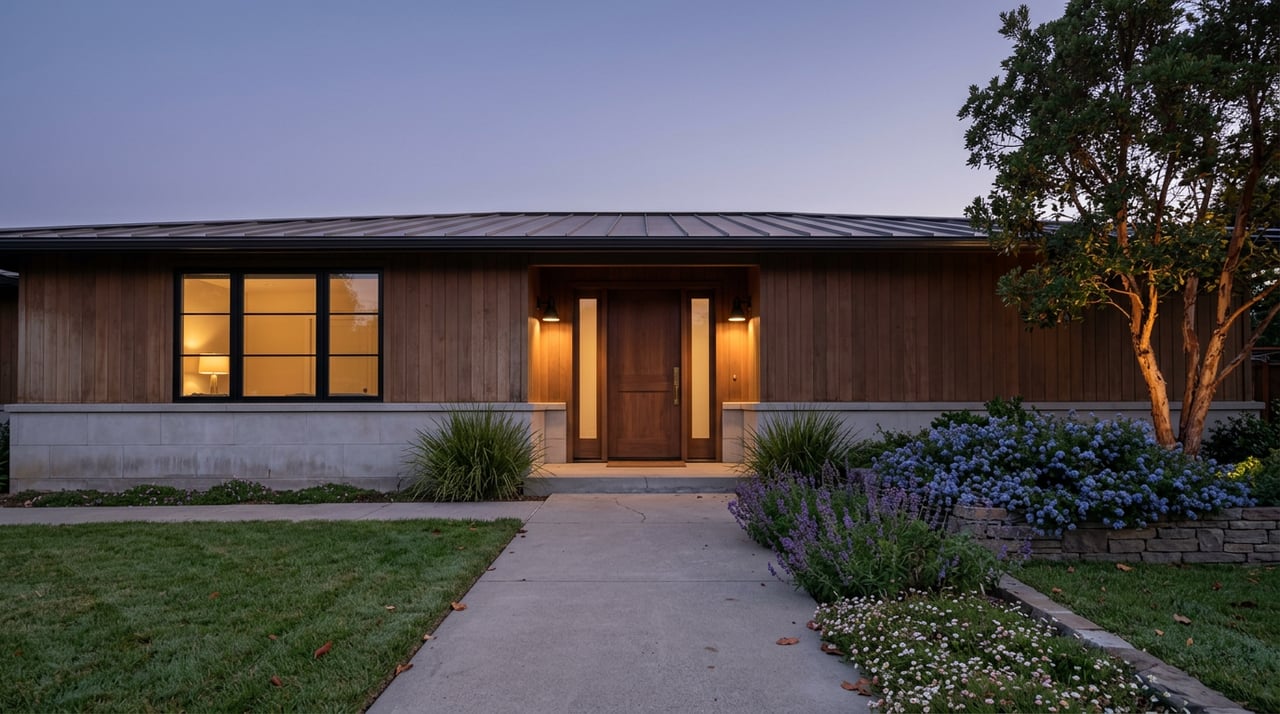
If your priority is a mostly detached-home search, Miramonte/Springer and Grant/Sylvan Park are excellent starting points. Monta Loma/Farley/Rock also belongs in this group, especially if you are drawn to mid-century character or homes with renovation potential.
These areas offer a more traditional residential feel than Downtown or San Antonio. They are useful if you want quieter street patterns, more conventional lot layouts, or a stronger single-family focus.
Once you know your preferred home type, the next step is to match neighborhoods to how you want to live day to day. This is where buyers often gain the most clarity.
If walkability is at the top of your list, Downtown stands out. Castro Street is the city’s commercial spine, and the surrounding Central Neighborhoods combine a pedestrian-friendly street grid with a mix of residential and commercial uses.
The Mountain View Transit Center is a major draw here. It serves Caltrain, VTA light rail, buses, and private shuttles, with more than 12,000 boardings and alightings on a typical weekday. If you want rail access and the ability to do more on foot, this is the clearest fit.
The tradeoff is that your housing search may lean more toward condos, townhomes, or homes closer to a denser setting. Single-family homes exist in the surrounding Central Neighborhoods, but the overall draw is the walkable, mixed-use environment.
San Antonio/Rengstorff offers a different kind of convenience. It has a mix of commercial uses and medium- to high-density housing, with multi-family homes as the dominant form.
The Crossings near the San Antonio Caltrain station includes small-lot single-family homes, row houses, and multi-family units with some retail next to the platform. At the same time, the San Antonio Shopping Center and nearby arterials create a more auto-oriented environment than Downtown.
This area can work well if you want housing variety and easier car access, but you are comfortable with a busier setting and less of a classic residential feel.
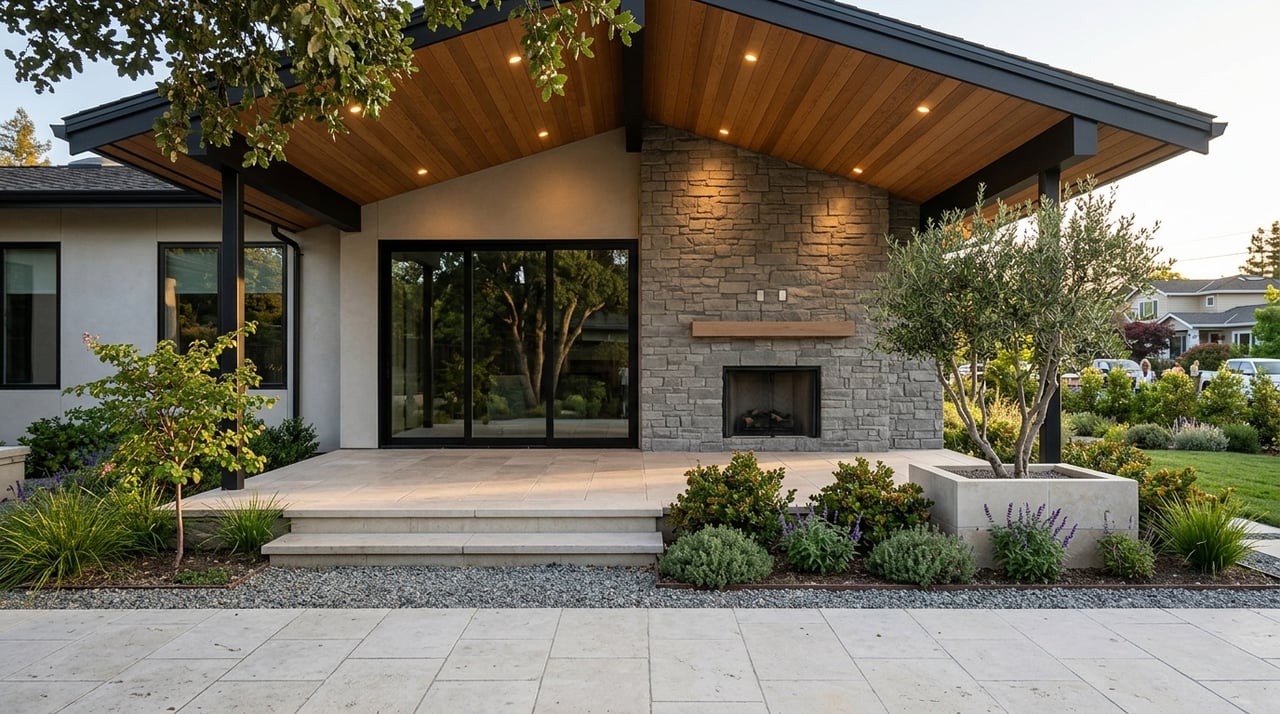
Miramonte/Springer is one of the clearest detached-home pockets in Mountain View. City documents describe it as almost purely single-family residential, with wide ranch-style homes and limited commercial activity.
If you want a more suburban layout and less dependence on a mixed-use core, this area deserves a close look. It is a strong fit for buyers who want a home-first environment rather than a live-near-everything streetscape.
Grant/Sylvan Park is also predominantly residential, but with more variation inside the area. South of El Camino Real, the city describes cohesive single-family ranch homes with large lawns and garages, while parts north of El Camino and east of SR-85 have taller homes with a different architectural profile.
One standout feature is Stevens Creek Trail, which runs north-south through the area. If you want a suburban home base with a trail connection, this planning area may be worth prioritizing.
Monta Loma/Farley/Rock has some of the strongest identity among Mountain View’s residential areas. The city describes a mix of Eichler homes, ranch houses, and medium-density apartment buildings, with tree-lined blocks and larger rear yards in many sections.
This area often appeals to buyers who like classic single-family homes and are open to updating or modernizing over time. If you appreciate mid-century design or want a home with long-term upside through thoughtful improvements, this is a compelling part of the city to compare.
If you are open to newer housing or a more visibly changing environment, look north and east. In Moffett/Whisman, older ranch-style residential pockets sit near a major employment center, while North Bayshore is planned for substantial long-term growth.
The North Bayshore precinct plan supports up to 9,850 new homes, with 15% affordability, along with jobs, shops, parks, and a future elementary-school site. This area is also low-lying and vulnerable to sea-level rise and flooding, so the city is planning levees, wetland restoration, floodwalls, and pump stations.
For some buyers, that future-facing energy is a plus. For others, the amount of change, construction activity, and long timeline may be a reason to focus elsewhere.
If you want to make your search more efficient, use this order of operations:
Start broad. Decide whether you are drawn more to Downtown, San Antonio, a detached-home pocket like Miramonte/Springer, or a character area like Monta Loma.
Be honest about whether you want a condo, townhome, or detached home. This single choice can eliminate a lot of mismatch early.
Some buyers want Caltrain access and a pedestrian-friendly setting. Others are happy to trade that for quieter streets or easier driving patterns.
This step matters more than many buyers expect. If you are open to remodeling, areas with older housing stock may offer more opportunity and a better fit.
Mountain View’s established single-family neighborhoods can be attractive if you are comfortable improving a home over time. The city’s Single-Family Residential Guide says single-family development does not go through discretionary design review as long as a project complies with zoning standards.
That can make detached-home neighborhoods easier to evaluate from a remodel perspective than buyers sometimes assume. Still, the city also notes that property boundaries are not maintained in-house, so surveys, easements, and physical lot conditions should be checked carefully before you assume an addition, rebuild, or lot adjustment will be simple.
This is where careful due diligence really pays off. A home that looks like an easy project on paper may need much closer review once lot details come into play.
Neighborhood choice also sits inside a broader Mountain View housing context. The city has 40,350 housing units, with 38.6% owner occupancy, a median gross rent of $3,062, and a median value of owner-occupied homes of $1,927,000.
Those numbers reinforce why narrowing your search matters. In a high-value market like Mountain View, clarity on home type, lifestyle, and change tolerance can save you time and help you make a more confident decision.
A neighborhood that looks great online may not be the best fit once you compare daily convenience, housing form, and future planning. The more precise your criteria, the better your shortlist becomes.
If you want help comparing Mountain View neighborhoods in a way that matches your budget, commute, and renovation comfort level, Amy Le can help you build a smarter, more focused search strategy.
Get assistance in determining current property value, crafting a competitive offer, writing and negotiating a contract, and much more. Contact me today.