Is your commute shaping your home search in Santa Clara? You want a place that cuts travel time without giving up parks, shops, or a calm street. In this guide, you’ll see which neighborhoods put you near transit, how long common commutes take, and simple ways to test a property’s commute before you buy. Let’s dive in.
Commuter profiles at a glance
- Peninsula or San Francisco commuter: You benefit from easy access to Caltrain and quick connections to US‑101 and SR‑237.
- San Jose or South Bay commuter: VTA light rail and bus, plus SR‑87 and 101, are your go-to options.
- Local campus commuter: North and west Santa Clara areas near business parks and shuttles save time.
Neighborhoods near transit: where to look
Downtown and Central Santa Clara
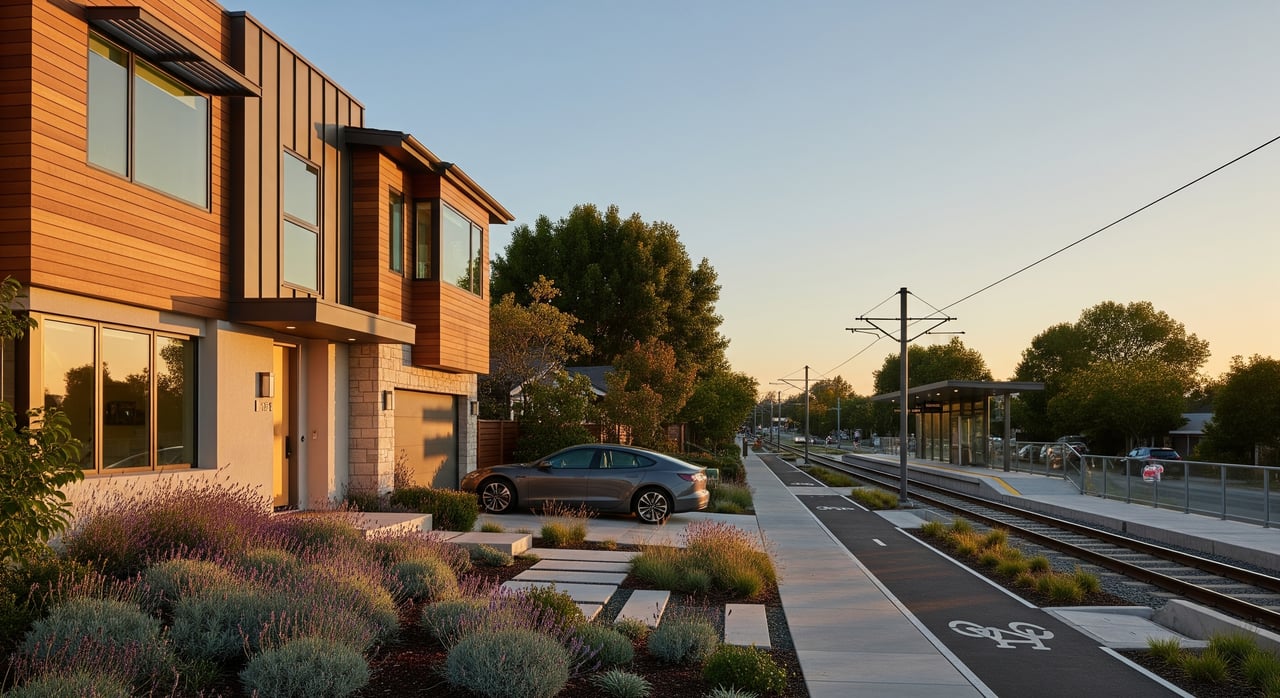
- Transit assets: Central location with strong VTA bus connections and light rail access in nearby corridors. Walking and biking work for many daily needs.
- Commute advantages: Quick drives to US‑101 and SR‑87 for South Bay jobs. Convenient for downtown San Jose and central Santa Clara offices.
- Lifestyle notes: Close to Santa Clara University, local dining, parks, and services. A good blend if you want community amenities with transit nearby.
West Santa Clara, Great America, Levi’s Stadium area
- Transit assets: Near regional nodes around Great America with VTA light rail and multiple bus lines. Extra service often appears during large events.
- Commute advantages: Direct access to CA‑237 and US‑101 helps with east–west and north–south trips, especially to Sunnyvale and northern Santa Clara County.
- Lifestyle notes: Larger shopping centers and parks nearby. Expect event-day traffic and activity around Levi’s Stadium.
North Santa Clara, North of Tasman
- Transit assets: Close to business parks and corporate campuses with VTA bus service, some light rail, and targeted employer shuttles.
- Commute advantages: Short drives or shuttle rides to nearby tech offices, plus quick links to CA‑237 and US‑101.
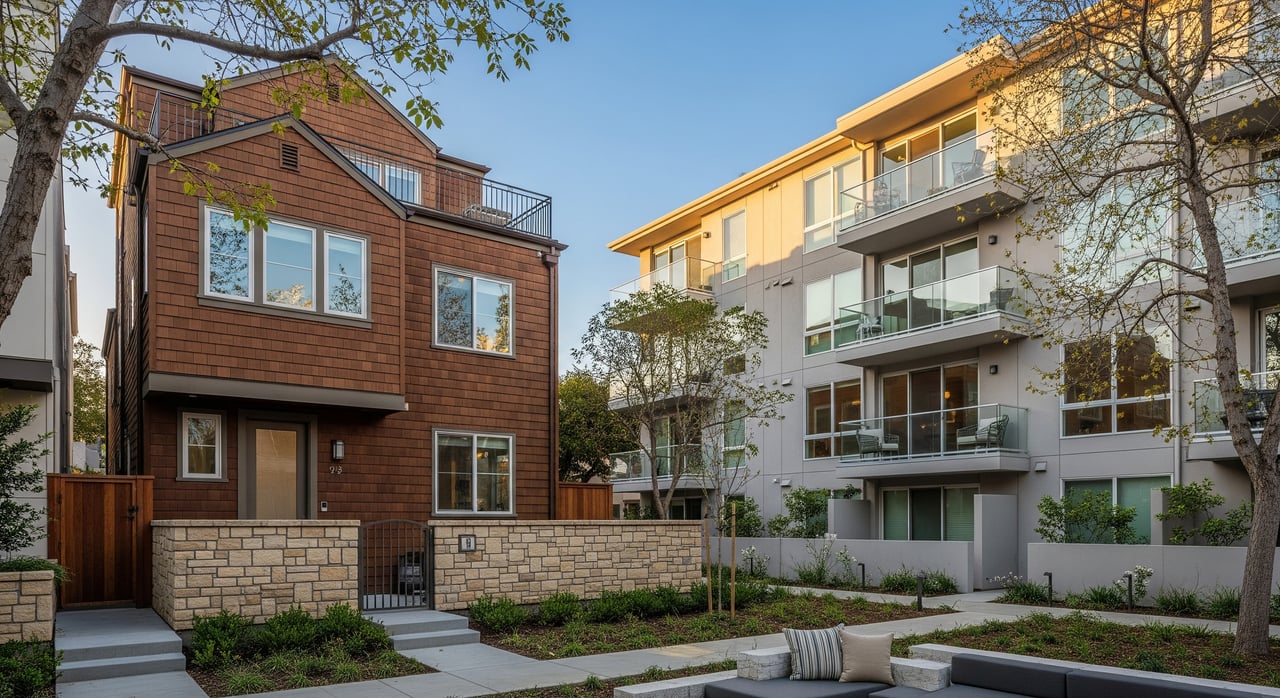
- Lifestyle notes: More modern apartments and condos in and around employment centers, fewer traditional single-family pockets.
East Santa Clara near El Camino Real and 101
- Transit assets: El Camino Real bus routes and several transfer points. Easy highway access for north–south car commutes.
- Commute advantages: Direct corridors to downtown San Jose and north to Mountain View and Palo Alto via 101. Some Caltrain access is available at nearby stations outside the city.
- Lifestyle notes: Mix of established residential blocks, shopping corridors, and small parks.
South Santa Clara and Lawrence Expressway corridors
- Transit assets: Walkable to local parks and services, with bus routes and bike-friendly connections to central Santa Clara and San Jose.
- Commute advantages: Close to SR‑87 connectors to 101, which helps for central and south San Jose jobs.
- Lifestyle notes: Quiet residential streets, parks, and schools that appeal to upsizing buyers.
Transit options you can rely on
Caltrain for Peninsula and San Francisco
Caltrain connects San Jose Diridon to the Peninsula and San Francisco. Service types vary, so local and limited-stop trains have different trip times. Check current timetables and station stops on the official site before you plan your day using the Caltrain schedules and station pages on the Caltrain website. Caltrain supports Clipper for fares, and many stations offer bike parking or lockers.
VTA light rail and bus for local trips
VTA’s light rail and bus network ties Santa Clara to San Jose, Mountain View, and transfer hubs. Frequency and span differ by line, so confirm what runs at your commute times. You can review maps, fares, and service advisories on the VTA system site and plan for park-and-ride or bike access at major stops.
Driving, carpools, and express lanes
US‑101, SR‑237, SR‑87, and SR‑85 provide strong road connectivity. Peak traffic on 101 and 237 can add time, so consider HOV lanes, employer shuttles, or staggered hours. Many commuters use a blend of driving, carpooling, and first-mile/last-mile solutions.
First-mile and last-mile solutions
Biking works well on growing local bike networks, and several transit stations and campuses provide bike parking. Rideshare is a useful backup if a bus or train schedule does not line up with your work hours. Micromobility options can vary by area, so check what is available near your route.
Commute time snapshots
Actual times depend on traffic, train type, and exact start and end points. Use real-time planners to confirm.
- Downtown San Jose (Diridon area)
- Drive: about 10 to 20 minutes off-peak, 20 to 35 minutes or more at peak.
- VTA: about 15 to 35 minutes depending on route and transfers.
- Sunnyvale and Moffett Park
- Drive: about 10 to 20 minutes off-peak, 15 to 30 minutes at peak.
- VTA bus: about 20 to 40 minutes depending on line and time of day.
- Mountain View and Shoreline
- Drive: about 20 to 30 minutes off-peak, 30 to 50 minutes at peak on 101.
- Caltrain: about 20 to 35 minutes if your closest station is served by limited-stop trains.
- San Francisco
- Caltrain: about 60 to 90 minutes depending on local vs express service and the station you use. Driving can exceed this at peak and adds tolls and parking.
Match your commute to a neighborhood
- If you work on the Peninsula or in San Francisco: West and northwest Santa Clara near 101 and 237, or areas with convenient access to a Caltrain station, can shorten the trip.
- If your office is in central or south San Jose: Central and south Santa Clara near SR‑87 and 101 are efficient.
- If you’re near North Santa Clara campuses: North of Tasman and Great America areas keep your drive or shuttle ride short.
How to test a home’s commute
Use this checklist before you write an offer:
- Time the route at your actual commute hour on at least two different weekdays.
- Check Caltrain and VTA schedules for the nearest stops and the exact trains or buses you would use. Use the official Caltrain schedules and VTA maps and schedules.
- Confirm service frequency, first and last trips, and transfer points.
- Look for employer shuttles, vanpools, or HOV incentives.
- Verify parking availability at park-and-ride lots if you plan to drive to transit.
- Check bike routes, secure bike parking, and locker options if you plan to cycle.
- Note event-day impacts near Levi’s Stadium and major stations.
Tips to simplify your commute
- Use a Clipper card across multiple systems like Caltrain and VTA for simpler fares.
- Save time by choosing trains and buses that stop at your nearest station and limit transfers.
- Build a backup plan for late meetings or service changes, such as a rideshare or alternate route.
- Combine modes when it saves time, such as biking to a faster train.
- Recheck schedules during holidays or project updates, since service can change.
Balancing commute and lifestyle
Your best-fit neighborhood balances travel time with parks, services, and the kind of street life you enjoy. Central and south Santa Clara often strike a balance of walkable amenities and access to SR‑87 and 101. North and west areas streamline trips to tech campuses and the Peninsula, with strong connections to 237 and 101. Decide which destinations you visit most in a week, then pick the area that cuts that time the most.
Ready to compare homes by commute and lifestyle side by side? Reach out to Amy Le to map neighborhoods to your job locations, test the routes, and negotiate a home that fits your daily life. Schedule a Consultation.
FAQs
What are the best Santa Clara neighborhoods for Peninsula commuters?
- West and northwest Santa Clara near 101 and 237, plus areas with convenient Caltrain access, often reduce time to Mountain View, Palo Alto, and beyond.
How long is the Caltrain ride from Santa Clara to San Francisco?
- Typical travel is about 60 to 90 minutes depending on whether you catch a local or a faster limited-stop service and which station you start from.
Is VTA light rail reliable for everyday commuting in Santa Clara?
- Yes, many residents rely on VTA for daily trips, but frequency and span vary by line, so confirm your precise route and times on the VTA site.
What are the trade-offs of living near Levi’s Stadium for commuters?
- You gain fast access to transit and highways, but you may experience event-day congestion and more activity around the venue.
How can I test a Santa Clara home’s commute before buying?
Which payment or pass makes multi-agency trips easier in Santa Clara?
- A single Clipper card works across most Bay Area systems, including Caltrain and VTA, simplifying transfers and fare payment.