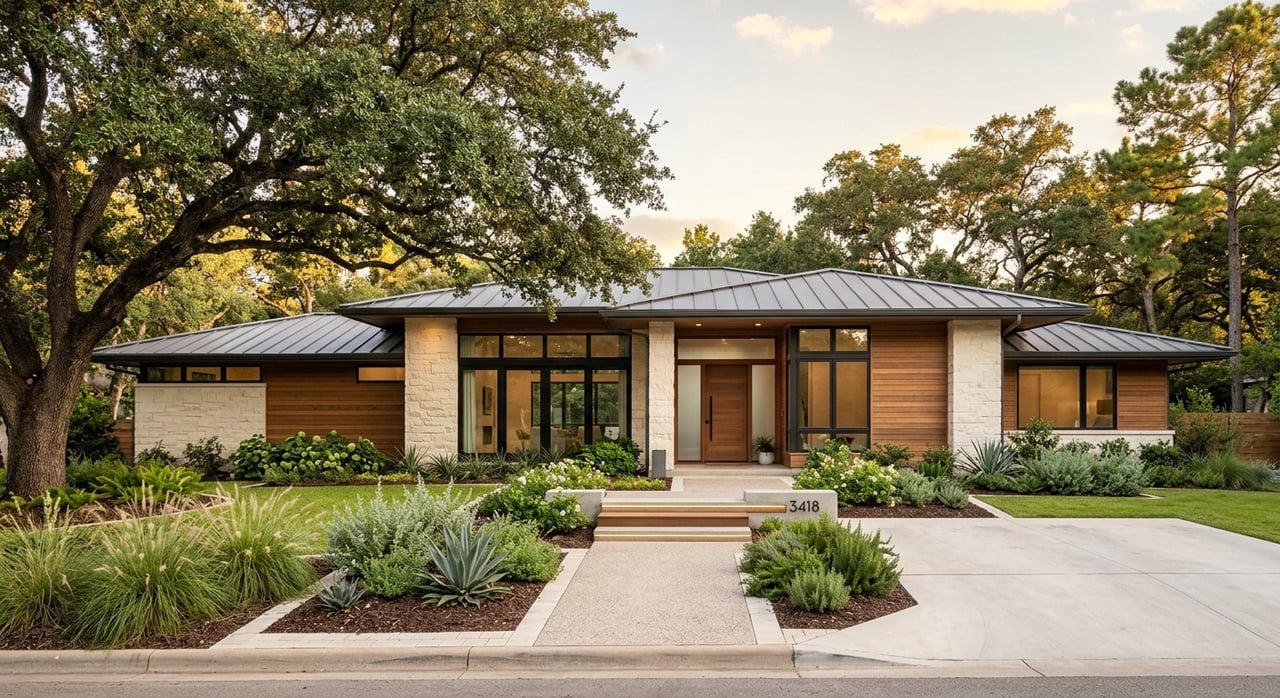
Gilroy New Construction Homes vs Resale Properties
April 16, 2026
April 16, 2026
If you are weighing new construction versus resale homes in Gilroy, you are not alone. In a market where the median sale price was $1,105,000 in February 2026, choosing the right type of home can shape your monthly costs, maintenance needs, and long-term flexibility. The good news is that both options can work well, as long as you know what to compare before you commit. Let’s dive in.
Gilroy offers a mix of established resale neighborhoods and an active pipeline of new housing. The city’s housing plans and project pages show a range of development types, from larger master-planned communities like Glen Loma Ranch to smaller infill projects such as 700 W. 6th Street, along with other approved residential projects.
That variety matters because “new construction” in Gilroy does not describe one single product. Some communities offer a more planned, amenity-oriented setting, while others are compact subdivisions with very different lot layouts, costs, and ownership structures.
Many buyers are drawn to new homes because they want a simpler move-in experience. Builders in Gilroy are marketing features like personalization, newer finishes, solar, smart-home features, and in some cases even builder-included landscaping, as seen in KB Home’s Glen Loma Ranch communities and a current Heritage on 6th Street listing.
You may also benefit from newer infrastructure around the home. Gilroy project materials show that some developments include new sidewalks, utility undergrounding, street widening, pedestrian improvements, and planned open space, trails, or parks.
If you want fewer immediate repair projects, a new home can be appealing. Instead of budgeting right away for outdated finishes or older systems, you may be buying into a property with modern materials, energy-related features, and a layout designed for current living preferences.
That does not mean every feature is included by default, though. Items like fencing, appliances, backyard work, driveway finishes, patio surfaces, and lot grading can vary by community and by plan, so it is important to confirm exactly what comes with the home.
Large projects can bring built-in structure and shared amenities. For example, Glen Loma Ranch spans about 359 acres and includes about 145 acres of parks, open space, and trails.
For some buyers, that creates a clear lifestyle advantage. You may like the consistency of a newer streetscape, connected paths, and newer public improvements that are part of the broader project.
The biggest mistake buyers make with new homes is assuming all communities are alike. In reality, lot size, privacy, HOA structure, and special tax exposure can differ significantly from one Gilroy project to another.
A polished model home can also make it easy to overlook long-term ownership costs. Before you compare a new home to a resale property, make sure you are comparing the full monthly and annual picture.
Some buyers assume new construction automatically means a larger lot or more outdoor space. Gilroy’s project pages show the opposite can also be true, with some compact infill developments and some more expansive planned communities.
For example, the 700 W. 6th Street project includes 19 lots on 3.70 acres, while Ren Fu Villa is listed at 54 lots on 37.54 acres. The practical takeaway is simple: review the recorded site plan and specific lot dimensions instead of relying on the phrase “new construction.”
Newer communities are more likely to be part of a common-interest development. A current Heritage on 6th listing shows a $307 monthly HOA, and some communities may also fall within a Community Facilities District, also known as a Mello-Roos district.
According to the City of Gilroy’s CFD information, these districts can finance public improvements and services through a special tax lien on each property. Santa Clara County also notes that secured property tax bills may include special assessments, Mello-Roos bonds, service fees, liens, and direct assessments, so you want to verify the actual parcel-level bill whenever possible.
With new subdivisions, one of the most important documents is the California DRE public report. Buyers must receive it before becoming obligated, and it can include critical details about CC&Rs, HOA costs, and common-area assessments.
This is one of the clearest ways to avoid surprises. If you are comparing a builder sale with a resale property, the paperwork may look different, but your goal is the same: understand the real cost and rules of ownership before you remove contingencies.
Resale homes in Gilroy often appeal to buyers who want more neighborhood variety. Instead of choosing from a builder’s current plans and release schedule, you can evaluate homes in areas that are already built out, with visible street character, mature landscaping, and a clearer sense of what surrounds the property today.
Resale inventory can also offer a wider range of HOA structures. Current Gilroy examples include a 1997 home on Eagle View with 6,733 square feet of lot size and $0 HOA, as well as a 2000 home in a golf-community setting with 10,800 square feet and a $205 monthly HOA.
That can be a real advantage if you care about context. In an established area, you are usually not guessing how the street will look after future construction phases are finished.
You can drive the route, see the landscaping, observe parking patterns, and evaluate nearby uses in real time. For many buyers, that makes decision-making feel more concrete and less dependent on future plans.
Because resale homes were built across different years and development styles, you may find more range in floor plans, lot widths, and yard configurations. That does not automatically mean “better,” but it does often mean more choices.
If outdoor space, driveway depth, or a less uniform streetscape matters to you, resale homes may deserve a closer look. In Gilroy, the difference can be substantial from one property to the next.
The main tradeoff with resale is condition. Older homes can have normal age-related wear that requires repair or replacement, and California’s builder protection framework applies to new residential construction, not to the ordinary aging issues found in resale homes.
That is why inspections matter even more than the listing photos. Current Gilroy resale examples from 1997 and 2000 show the kind of age range where roof, plumbing, electrical, windows, and major systems deserve a careful review.
A resale home may have a lower monthly ownership cost than a newer home with HOA dues or CFD taxes, but that does not automatically make it cheaper. Deferred maintenance, outdated finishes, or major system upgrades can quickly change the math.
This is where clear financial analysis helps. You want to compare not just purchase price, but also expected repairs, reserve cash after closing, and the likely timing of future updates.
It is easy to assume older neighborhoods come without association costs, but that is not always true. The Gilroy resale examples in the market show both no-HOA and HOA properties.
The better approach is to verify each parcel individually. Whether you are buying a newer home or an older one, never assume the ownership structure based only on the home’s age.
If you are deciding between the two, this side-by-side view can help:
| Factor | New Construction | Resale Home |
|---|---|---|
| Features | Often newer finishes, solar, smart-home items, and personalization options | Varies by age, updates, and prior ownership |
| Infrastructure | May include newly built streets, sidewalks, utilities, and planned open space | Surrounding area is typically already established |
| Lot size | Varies widely by project and should be verified | Often more varied by neighborhood and build era |
| HOA/fees | More likely to include HOA dues and possibly CFD/Mello-Roos taxes | May or may not include HOA |
| Condition | Typically less immediate maintenance | Requires closer inspection for age-related wear |
| Neighborhood feel | May still be in phased development | Easier to evaluate as it exists today |
Whether you lean toward new construction or resale, ask questions that reveal the full ownership picture.
For HOA properties, California law also sets rules around some assessment increases and reserve-study requirements. For example, regular assessments generally may not rise more than 20% year over year without member approval, and reserve-study visual inspections must be completed at least once every three years, with annual review.
In Gilroy, there is no universal winner between new construction and resale. If you want modern finishes, newer infrastructure, and a more turnkey experience, new construction may fit well. If you value established surroundings, potentially different lot characteristics, and the ability to judge the neighborhood as it stands today, resale may be the better match.
The key is to compare total cost, disclosures, lot realities, and condition, not just photos or headline price. If you want help evaluating Gilroy homes with a practical eye on both market value and long-term ownership costs, connect with Amy Le for tailored guidance.
Get assistance in determining current property value, crafting a competitive offer, writing and negotiating a contract, and much more. Contact me today.